
The Future of Drone Delivery: Trends and Predictions for 2025
August 4, 2024
Top Drone Delivery Use Cases Across Different Industries
August 6, 2024
Drone Delivery for Small Businesses: How to Get Started
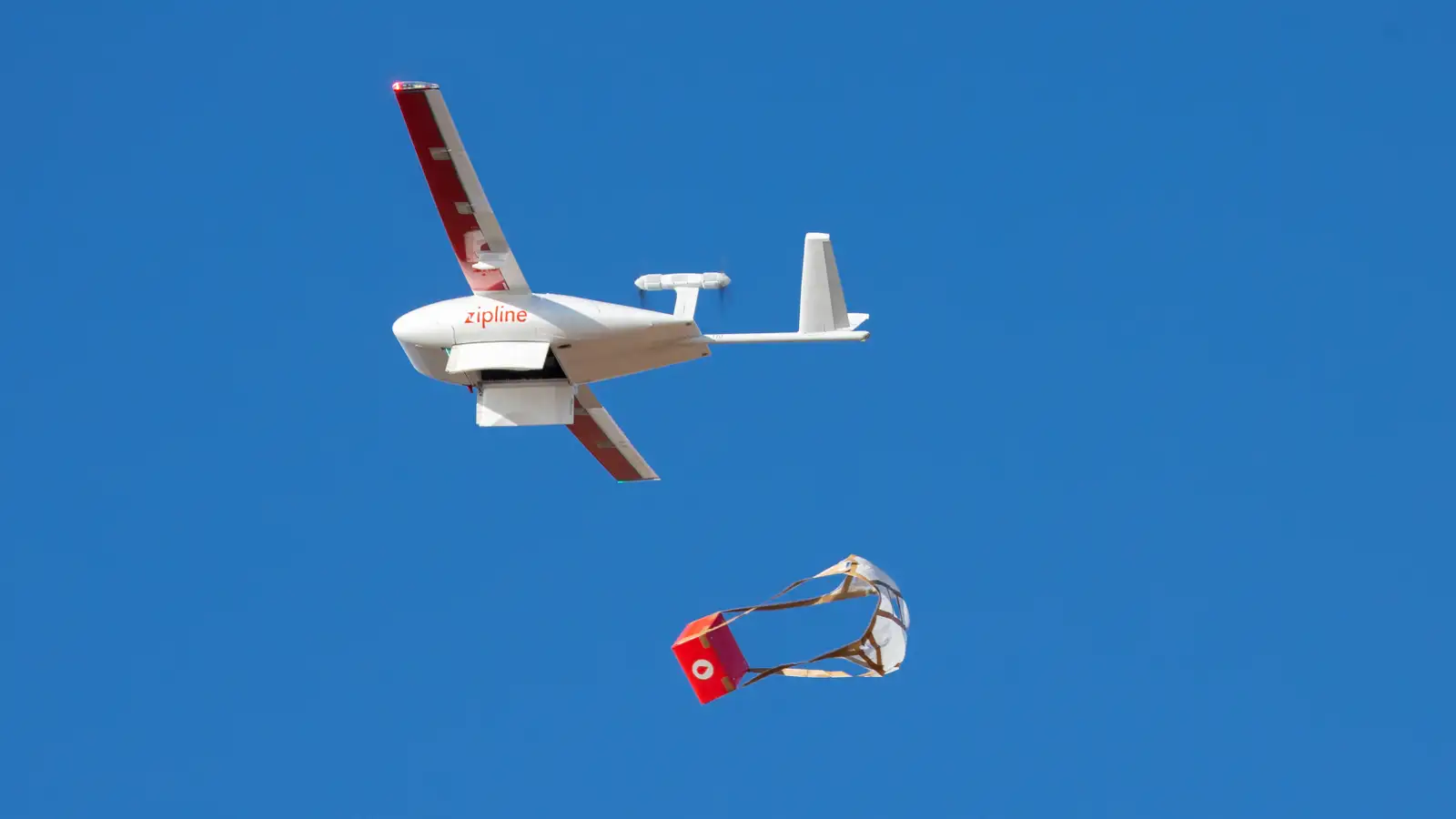
Drone delivery is no longer just a futuristic concept; it's a reality transforming the logistics landscape. While large corporations have been quick to adopt this technology, small businesses can also benefit significantly from drone delivery. This article provides a comprehensive guide on how small businesses can get started with drone delivery, detailing the benefits, necessary steps, and tips for successful integration.
Benefits of Drone Delivery for Small Businesses
a. Faster Delivery Times
Drones can significantly reduce delivery times, especially for last-mile deliveries. This speed not only enhances customer satisfaction but also allows businesses to compete more effectively with larger companies offering quick delivery services.
b. Cost Savings
Drone delivery can lower transportation costs by reducing the need for traditional delivery vehicles and minimizing labor costs. Over time, these savings can have a substantial impact on the business's bottom line.
c. Access to Remote Areas
Drones can reach remote and hard-to-access areas that traditional delivery methods may struggle with. This capability opens up new markets and customer bases for small businesses.
d. Enhanced Customer Experience
The novelty and convenience of drone delivery can enhance the customer experience, leading to increased loyalty and repeat business. Offering innovative delivery options can set a small business apart from competitors.
Steps to Implement Drone Delivery
1. Research and Understand Regulations
a. Local and National Regulations
Start by researching the local and national regulations governing drone operations. In the United States, the Federal Aviation Administration (FAA) has specific guidelines for commercial drone use, including pilot certification, drone registration, and operational limits.
b. Obtain Necessary Licenses and Permits
Ensure compliance by obtaining the required licenses and permits. This process might involve applying for waivers, especially if your operations include flying beyond visual line of sight (BVLOS) or over populated areas.
2. Choose the Right Drone Technology
a. Select Suitable Drones
Choose drones that meet your business needs. Consider factors such as payload capacity, flight range, battery life, and durability. The type of products you deliver and the distances involved will guide your choice.
b. Invest in a Drone Management System
A reliable drone management system is essential for planning routes, tracking deliveries, scheduling maintenance, and ensuring compliance. Investing in the right software will streamline your operations and enhance efficiency.
3. Develop Necessary Infrastructure
a. Establish Launch and Landing Sites
Identify and establish suitable locations for drone launch and landing sites. These should be strategically placed to optimize delivery routes and ensure safety.
b. Set Up Charging Stations
Set up charging stations at key locations to maintain continuous drone operations. Fast-charging technology can minimize downtime and maximize delivery efficiency.
4. Train Your Team
a. Pilot Training and Certification
Ensure your drone pilots are properly trained and certified. Training should cover drone operation, safety procedures, emergency protocols, and regulatory compliance.
b. Operational Training for Support Staff
Train your support staff on drone operations, including maintenance, logistics coordination, and customer service. Comprehensive training will ensure smooth and efficient operations.
5. Conduct a Pilot Program
a. Start Small
Begin with a small-scale pilot program to test the technology and processes. Choose a specific area or a limited number of delivery routes to start with.
b. Gather Feedback and Analyze Data
Collect feedback from customers and employees involved in the pilot program. Analyze data on delivery times, success rates, and customer satisfaction to identify areas for improvement.
c. Gradually Scale Up
Based on the insights gained from the pilot program, gradually expand your drone delivery operations. Address any issues identified during the pilot before full-scale implementation.
6. Focus on Customer Communication
a. Inform Your Customers
Communicate with your customers about the introduction of drone delivery. Provide clear information on how the process works, expected delivery times, and any changes to existing delivery methods.
b. Offer Tracking and Real-Time Updates
Implement a tracking system that allows customers to monitor their deliveries in real time. Providing real-time updates can enhance the customer experience and build trust in the new delivery method.
c. Gather Customer Feedback
Actively seek customer feedback after implementing drone delivery. Conduct surveys, encourage reviews, and monitor social media for opinions and suggestions. Use this feedback to continuously improve the delivery process.
Tips for Successful Integration
a. Start with Non-Urgent Deliveries
Begin by using drones for non-urgent deliveries to minimize the impact of any initial issues. This approach allows you to refine your processes without disrupting critical operations.
b. Partner with Drone Delivery Service Providers
Consider partnering with established drone delivery service providers. These companies can offer expertise, infrastructure, and technology that can ease the transition and reduce the initial investment required.
c. Stay Informed About Industry Developments
The drone delivery industry is rapidly evolving. Stay informed about the latest advancements in technology, regulations, and best practices. Joining industry associations and attending relevant conferences can help you stay updated.
d. Prioritize Safety and Compliance
Ensure that safety and compliance remain top priorities throughout the implementation process. Regularly review and update safety protocols, conduct routine maintenance, and stay compliant with all regulatory requirements.
Conclusion
Drone delivery offers small businesses an opportunity to enhance delivery speed, reduce costs, and improve customer satisfaction. By carefully researching regulations, investing in the right technology, developing necessary infrastructure, training your team, and conducting a pilot program, small businesses can successfully integrate drone delivery into their operations. As the drone delivery industry continues to grow, staying informed and adaptable will be key to leveraging this innovative technology for long-term success.


