
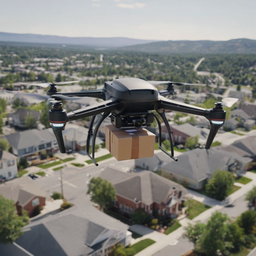
The Future of Drone Delivery
May 22, 2024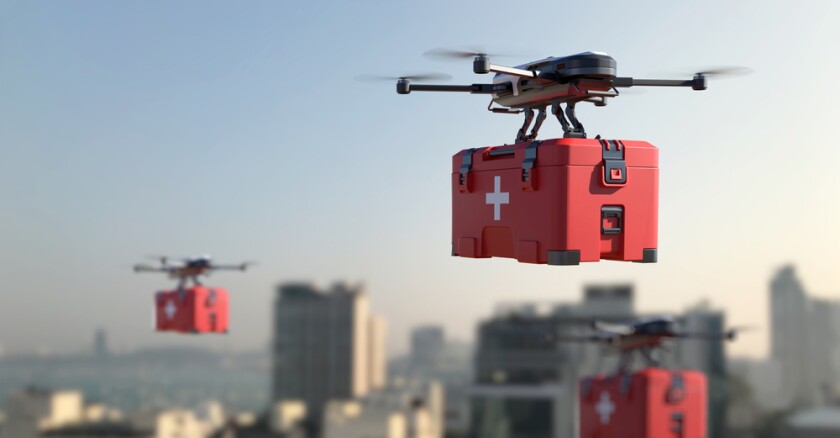
How Drone Delivery Can Enhance the Healthcare Industry
July 27, 2024
Drone Delivery Innovation: 5 Unexpected Industries Revolutionized
Autonomous delivery systems are rapidly transforming industries far beyond e-commerce. This revolutionary technology is disrupting traditional practices, increasing efficiency, and opening new possibilities across various sectors. In this comprehensive guide, we'll explore five surprising industries where unmanned aerial vehicles are making a significant impact, showcasing their versatility and potential.
1. Agriculture: Precision Farming Takes Flight
Modern farming techniques are reaching new heights with aerial technology. The agricultural sector has embraced this innovation as a key component of precision farming.
Seed and Fertilizer Distribution
Farmers are utilizing unmanned aerial vehicles for precise distribution of seeds and fertilizers:
- Achieving pinpoint accuracy in application
- Reducing waste of valuable resources
- Minimizing environmental impact
- Improving overall crop yields
A 2023 study by Iowa State University reported a 15% increase in crop yield and 20% reduction in fertilizer use after implementing drone-based precision agriculture techniques.
Water Management Revolution
Aerial technology is revolutionizing water management in agriculture by:
- Collecting water samples from various points in large fields
- Delivering samples to on-site labs for rapid analysis
- Enabling quick adjustments to irrigation systems based on real-time data
This innovation has reduced the water sample analysis process from days to mere hours.
2. Construction: Building the Future, Faster
The construction industry is reaching new heights with autonomous aerial systems, enhancing safety and efficiency on job sites.
Elevated Deliveries
Innovative applications in construction include:
- Delivering small tools and materials to workers at elevated locations
- Reducing the need for workers to climb scaffolding, enhancing safety
- Increasing efficiency by minimizing trips up and down structures
According to the Construction Safety Association, sites using this technology saw a 30% reduction in fall-related accidents.
Site Monitoring Advancements
Autonomous aerial vehicles are transforming project monitoring through:
- Survey equipment delivery across large project areas
- Real-time site monitoring and progress reports
- Quick identification and resolution of potential issues
3. Marine Services: Support from the Skies
Offshore operations and coastal services are benefiting from unexpected applications of aerial technology.
Offshore Supply Chains
This innovation is revolutionizing how supplies reach ships at sea:
- Delivering essential items like spare parts and medical supplies
- Reducing costly helicopter trips or port calls
- Enabling quicker response to urgent needs on vessels
The International Maritime Organization reports that implementing this technology has significantly improved supply chain efficiency in the maritime industry.
4. Emergency Services: Swift Response in Critical Moments
First responders are integrating aerial technology to dramatically improve response times in critical situations.
Cardiac Emergency Response
Rapid delivery of defibrillators to cardiac arrest scenes is now possible:
- Arriving faster than traditional emergency vehicles in urban areas
- Increasing survival rates for out-of-hospital cardiac arrests
- Providing life-saving equipment to bystanders before paramedics arrive
The American Heart Association emphasizes the potential of this technology in improving cardiac arrest survival rates.
5. Archaeology: Unearthing the Past with Modern Tech
Even archaeology is embracing aerial innovation, revolutionizing how we study and preserve our past.
Non-Invasive Surveying
This technology is transforming archaeological surveying through:
- Conducting aerial photogrammetry to create detailed 3D models of sites
- Performing LiDAR scans to reveal hidden structures beneath vegetation
- Delivering and retrieving ground-penetrating radar equipment for subsurface mapping
The Society for American Archaeology has highlighted these methods as game-changers in archaeological research.
The Future of Aerial Innovation Across Industries
As this technology continues to advance, we can expect to see even more groundbreaking applications across various sectors. The key benefits driving this revolution include increased efficiency, reduced costs, improved safety, enhanced accessibility, and decreased carbon footprint.
For more information on the latest developments in this field, visit our Drone Technology News page.
Conclusion
From agriculture to archaeology, this technology is causing significant industry disruption and opening new possibilities. As autonomous systems evolve, we can expect even more creative and efficient applications across various sectors.


