
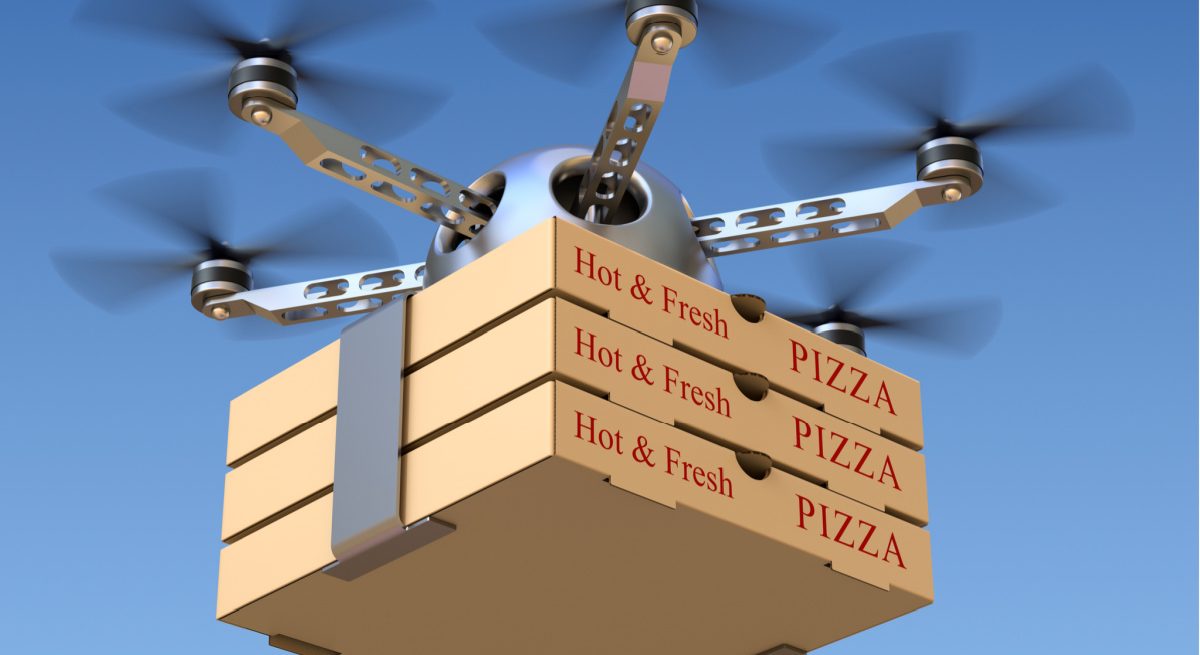
The Economics of Drone Delivery: Cost Analysis and ROI
July 28, 2024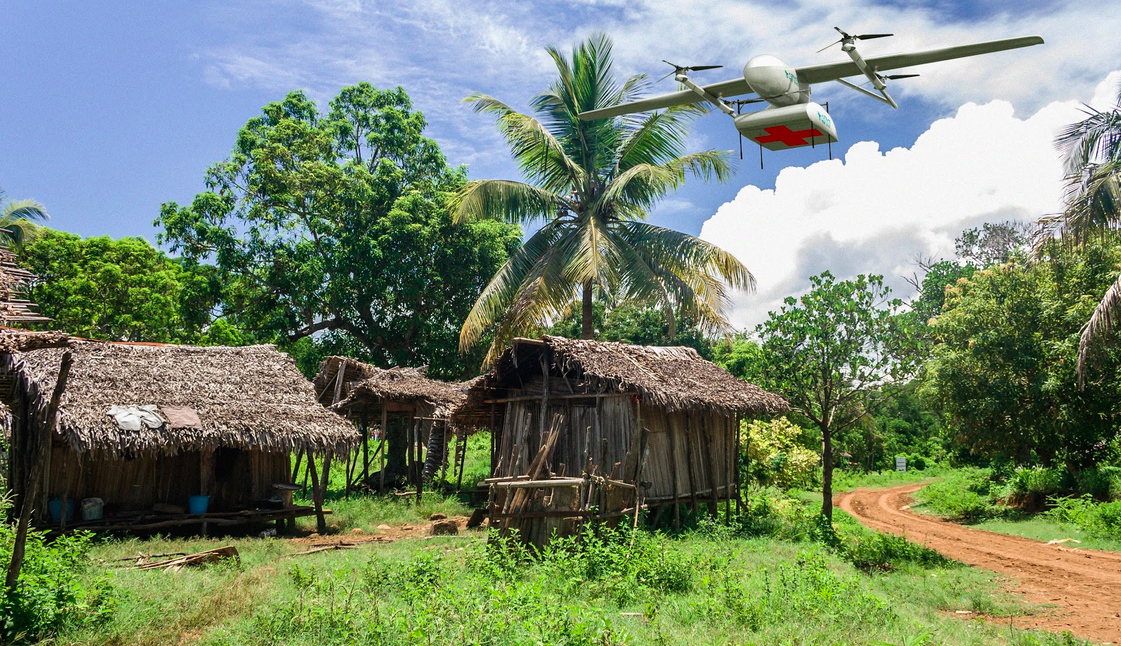
Drone Delivery: A Solution for Remote and Rural Areas
July 31, 2024
How Drone Delivery Works: From Order to Doorstep
The rapid advancement of drone technology has revolutionized the logistics and delivery industry, offering a fast, efficient, and innovative way to deliver packages. This article will take you through the step-by-step process of how drone delivery works, from the moment an order is placed to when the package arrives at your doorstep. Understanding this process reveals the incredible technology and logistics behind this cutting-edge delivery method.
Placing an Order
The first step in the drone delivery process begins when a customer places an order. This can be done through a company's website or mobile app, similar to traditional e-commerce platforms. Customers select the products they want to purchase and proceed to the checkout, where they choose drone delivery as their preferred shipping method.
During the checkout process, customers provide their delivery address and any specific instructions for the drone delivery. This information is crucial for ensuring that the package is delivered accurately and efficiently.
Order Processing and Package Preparation
Once the order is placed, it enters the company's order processing system. Here, the items are picked from the warehouse, packed securely, and prepared for delivery. This step involves verifying the contents of the package, ensuring that everything is correctly packed, and attaching a unique identification tag or QR code to the package.
The unique identification tag is essential for tracking the package throughout the delivery process. It allows the drone and the delivery system to identify the package and ensure it reaches the correct destination.
Drone Selection and Pre-Flight Checks
After the package is prepared, the system selects an appropriate drone for the delivery. The selection process considers factors such as the package's weight, size, delivery distance, and weather conditions. Different drones have varying capacities and capabilities, so choosing the right one ensures a smooth and efficient delivery.
Before the drone takes off, it undergoes a series of pre-flight checks. These checks include verifying the battery level, inspecting the drone for any damage, and ensuring that the navigation systems are functioning correctly. Safety is a top priority, and these pre-flight checks help prevent any issues during the delivery.
Flight Path Planning
Once the drone is ready, the system plans the optimal flight path from the warehouse to the customer's location. The flight path is calculated based on various factors, including distance, obstacles, no-fly zones, and weather conditions. Advanced algorithms and GPS technology ensure that the drone takes the most efficient and safe route to its destination.
The flight path planning also considers air traffic regulations and restricted areas to ensure compliance with local aviation laws. This meticulous planning minimizes the risk of accidents and ensures a smooth delivery process.
Takeoff and In-Flight Navigation
With the flight path planned, the drone takes off from the warehouse or designated launch area. Equipped with GPS and advanced navigation systems, the drone follows the pre-determined flight path to the customer's location. Throughout the flight, the drone continuously communicates with the control center, providing real-time updates on its position, speed, and status.
The in-flight navigation system is equipped with sensors and cameras to detect and avoid obstacles, such as buildings, trees, and other drones. This real-time obstacle detection ensures that the drone can safely navigate its environment and avoid potential hazards.
Delivery and Package Drop-off
As the drone approaches the customer's location, it begins its descent and prepares for the final delivery. Depending on the delivery method, the drone may hover above the drop-off point and lower the package using a winch or release it gently from a low altitude. The delivery method is chosen based on the customer's instructions and the safety of the surroundings.
The drone's cameras and sensors ensure that the package is delivered accurately to the specified location, whether it's a front porch, backyard, or designated drop-off point. Once the package is delivered, the drone sends a confirmation signal to the control center and the customer, notifying them of the successful delivery.
Return to Base and Post-Flight Checks
After completing the delivery, the drone returns to its base or the warehouse. The return flight follows a pre-determined path, ensuring the drone's safe and efficient return. Upon arrival, the drone undergoes post-flight checks to ensure that it is in good condition and ready for the next delivery.
The post-flight checks include inspecting the drone for any damage, recharging or replacing the batteries, and performing routine maintenance. These checks ensure that the drone remains in optimal condition for future deliveries.
Integration with Customer Notifications
Throughout the delivery process, customers receive real-time updates on their order status. These notifications can include information on the order processing, the drone's takeoff, in-flight updates, and confirmation of the delivery. This transparency enhances the customer experience by keeping them informed and assured about their order's progress.
Customers can track their package through a mobile app or website, providing a visual representation of the drone's journey from the warehouse to their doorstep. This real-time tracking adds a layer of convenience and confidence in the delivery process.
Advantages of Drone Delivery
The drone delivery process offers numerous advantages over traditional delivery methods. Some of these benefits include:
- Speed: Drones can deliver packages much faster than conventional vehicles, especially in congested urban areas or remote locations.
- Efficiency: Drones follow direct flight paths, reducing delivery times and operational costs.
- Environmental Impact: Drones produce fewer emissions compared to traditional delivery vehicles, contributing to a greener and more sustainable operation.
- Accessibility: Drones can reach areas that are difficult to access by traditional means, such as remote or disaster-stricken regions.
- Cost-Effectiveness: Reduced transportation and labor costs make drone delivery a cost-effective option for businesses and customers.
Conclusion
The process of drone delivery, from order to doorstep, showcases the incredible potential of this innovative technology. By leveraging advanced navigation systems, real-time communication, and efficient logistics, drone delivery offers a fast, reliable, and environmentally friendly solution for modern logistics challenges. As drone technology continues to evolve, we can expect even greater efficiency and wider adoption of this revolutionary delivery method.
Understanding how drone delivery works not only highlights the technological advancements behind it but also underscores its potential to transform the logistics and delivery industry. With its numerous advantages, drone delivery is set to become a key component of the future of package delivery, offering businesses and customers a smarter, faster, and more efficient way to send and receive goods.


