
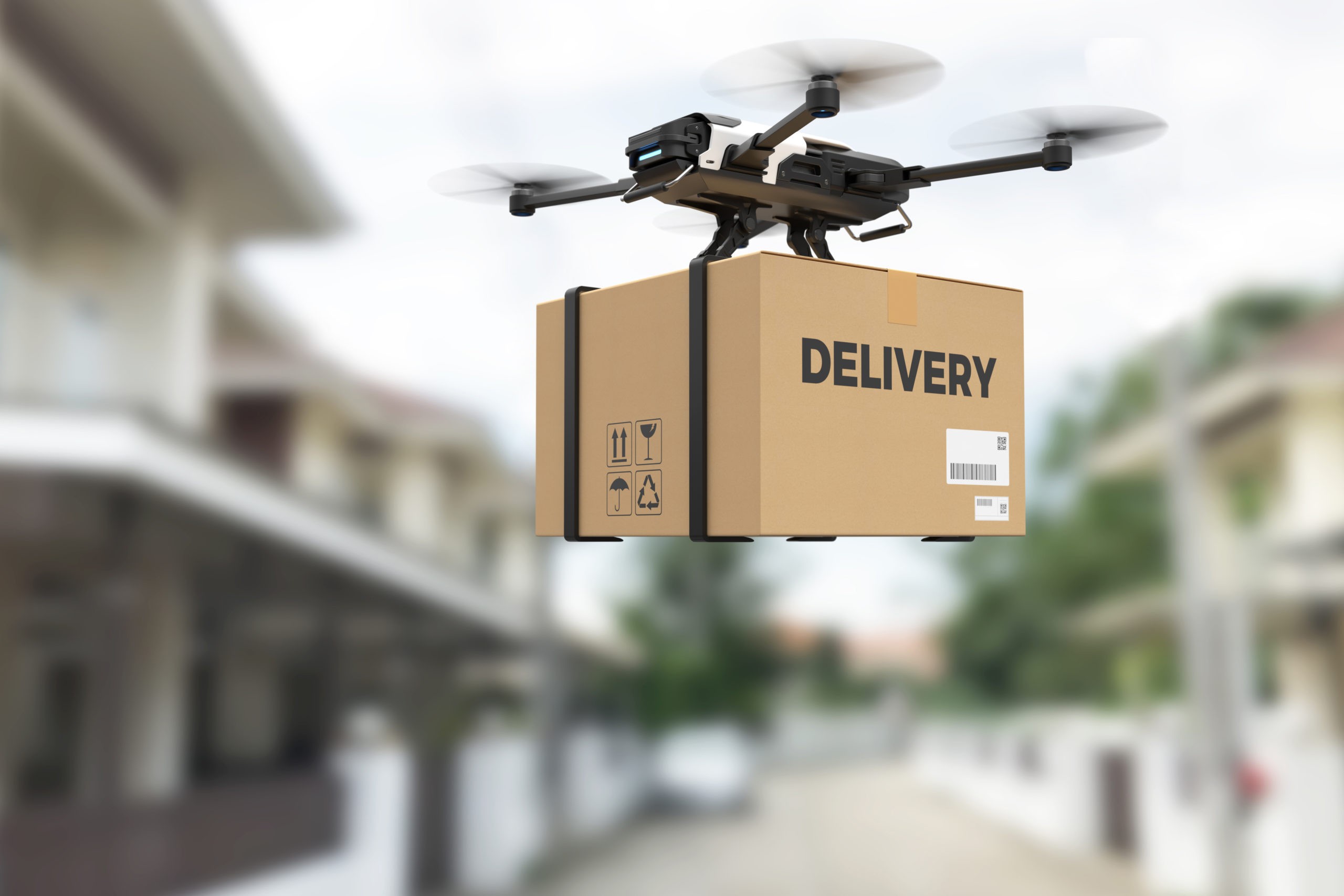
10 Innovative Drone Delivery Ideas to Transform Your Business
August 8, 2024
Drone Delivery Revolution: The Future of Global Logistics
In the rapidly evolving world of logistics and transportation, drone delivery is emerging as one of the most promising technologies. From transforming how goods are delivered to enhancing efficiency across industries, drones are set to revolutionize global logistics. The potential market for drone delivery is vast, with projections indicating substantial growth in the coming years. This article delves into the projected market worth of drone delivery, its diverse applications, and how businesses can harness this technology to stay ahead in a competitive landscape.
The Market Potential of Drone Delivery
The global drone delivery market is poised for exponential growth. As businesses and consumers alike recognize the benefits of this technology, the market is expected to expand significantly. According to various market research reports, the global drone delivery market was valued at approximately $2.1 billion in 2022. However, this figure is projected to skyrocket, with estimates suggesting that the market could be worth over $39 billion by 2030.
This staggering growth is driven by several factors:
- Increased E-commerce Demand: The rise of online shopping has created a need for faster, more efficient delivery solutions. Drones offer the ability to deliver packages quickly and directly to consumers, meeting the demand for speedy service.
- Technological Advancements: Improvements in drone technology, including longer battery life, increased payload capacity, and enhanced navigation systems, are making drone delivery more viable for a wide range of applications.
- Regulatory Support: Governments worldwide are beginning to establish frameworks for the safe and legal operation of drones, paving the way for broader adoption of drone delivery services.
Diverse Applications of Drone Delivery
Drone delivery is not limited to a single industry. Its versatility allows it to be used in various sectors, each with its unique benefits and challenges. Here are some of the key areas where drone delivery is making a significant impact:
1. E-commerce and Retail
E-commerce giants like Amazon, Alibaba, and Walmart are at the forefront of the drone delivery revolution. Drones enable these companies to offer same-day or even same-hour delivery, enhancing customer satisfaction and reducing reliance on traditional delivery methods. In densely populated urban areas, drones can bypass traffic and deliver packages directly to customers' doorsteps, making the process faster and more efficient.
2. Healthcare and Pharmaceuticals
The healthcare industry stands to benefit immensely from drone delivery. In remote or hard-to-reach areas, drones can deliver essential medical supplies such as medications, vaccines, and even blood for transfusions. This capability is particularly valuable in emergency situations, where timely delivery can be a matter of life and death. For example, during the COVID-19 pandemic, drones were used to deliver vaccines and medical supplies to remote communities, demonstrating their potential to support public health efforts.
3. Food and Beverage Delivery
The food delivery industry is also undergoing a transformation thanks to drones. Companies like Uber Eats, Wolt, and Glovo are experimenting with drone delivery to provide faster service to customers. Drones can deliver hot meals, groceries, and beverages directly to consumers, reducing delivery times and improving the overall customer experience. This is particularly appealing in urban areas, where traffic congestion can slow down traditional delivery methods.
4. Disaster Relief and Humanitarian Aid
In the aftermath of natural disasters, traditional transportation infrastructure is often compromised, making it difficult to deliver aid to those in need. Drones can play a critical role in disaster relief efforts by delivering food, water, medical supplies, and other essentials to affected areas. Their ability to navigate difficult terrain and reach isolated communities makes them an invaluable tool in humanitarian aid.
5. Agriculture
In agriculture, drones are used not only for monitoring crops and livestock but also for delivering agricultural inputs such as seeds, fertilizers, and pesticides. Drones can quickly and efficiently distribute these inputs across large fields, reducing the time and labor required for traditional methods. This application is particularly beneficial for large-scale farms and remote agricultural areas.
6. Construction and Infrastructure
The construction industry is beginning to explore the use of drones for delivering tools, equipment, and materials to job sites. Drones can transport small loads quickly across large sites, improving efficiency and reducing the need for workers to manually carry heavy items. In addition, drones equipped with cameras and sensors can monitor construction progress and provide real-time data to project managers.
7. Postal and Courier Services
Postal and courier services are also exploring drone delivery as a way to improve efficiency and reduce costs. Drones can deliver letters, small parcels, and important documents directly to recipients, bypassing traditional mail routes. This is particularly useful in rural or remote areas where traditional delivery methods are slow or unreliable.
8. Retail and Fashion
Retailers are exploring drone delivery as a way to provide faster service to customers. For example, a customer who orders a last-minute outfit for a special occasion could receive it within hours, rather than waiting days for traditional shipping. This capability could revolutionize the retail industry, making it possible to meet the demands of increasingly impatient consumers.
9. Environmental Monitoring and Conservation
Drones are being used in environmental monitoring and conservation efforts to deliver equipment, collect data, and monitor wildlife. In remote areas, drones can deliver sensors and monitoring equipment to track environmental conditions, helping researchers collect valuable data without disturbing the natural habitat.
10. Education and Libraries
In educational settings, drones can deliver books, educational materials, and supplies to students in remote or underserved areas. This application is particularly valuable in regions where access to educational resources is limited, helping to bridge the gap between urban and rural education.
The Road Ahead: Challenges and Opportunities
While the potential of drone delivery is immense, several challenges must be addressed for widespread adoption. These include:
- Regulatory Hurdles: Navigating the complex regulatory landscape is one of the biggest challenges for drone delivery. Governments need to establish clear guidelines that balance safety with innovation.
- Public Acceptance: Gaining public trust and acceptance is crucial. Concerns about privacy, noise, and safety must be addressed to ensure that consumers are comfortable with drones operating in their communities.
- Technological Limitations: Despite significant advancements, drone technology is still evolving. Improvements in battery life, payload capacity, and navigation systems are needed to fully realize the potential of drone delivery.
However, these challenges also present opportunities for innovation. As technology improves and regulations evolve, drone delivery is likely to become an integral part of the global logistics landscape. Businesses that invest in this technology early stand to gain a competitive edge, offering faster, more efficient, and more sustainable delivery options to their customers.
Conclusion
The drone delivery revolution is poised to transform the way goods are transported across the globe. With a projected market worth of over $39 billion by 2030, the potential for growth is enormous. From e-commerce and healthcare to agriculture and disaster relief, drones offer a wide range of applications that can benefit businesses across various industries.
As the technology continues to advance and regulatory frameworks are established, drone delivery is set to become a mainstream solution in global logistics. Businesses that embrace this innovation will not only enhance their efficiency and customer satisfaction but also contribute to a more sustainable and connected world.


