
How Drone Delivery Works: From Order to Doorstep
July 30, 2024
Success Stories: Companies Thriving with Drone Delivery
August 1, 2024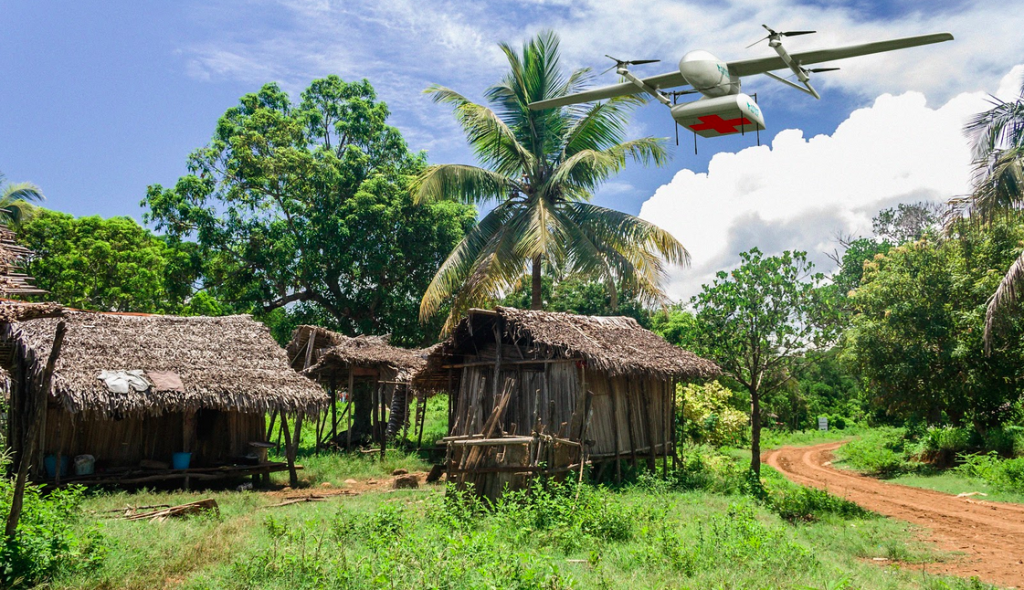
Drone Delivery: A Solution for Remote and Rural Areas
In recent years, drone delivery has emerged as a groundbreaking solution for logistics and transportation, especially in remote and rural areas. Traditional delivery methods often struggle to serve these regions efficiently due to challenging terrain, sparse populations, and limited infrastructure. However, drone delivery offers a fast, reliable, and cost-effective alternative that can significantly improve access to goods and services in these underserved areas. This article explores how drone delivery is revolutionizing logistics in remote and rural regions, highlighting its benefits, challenges, and real-world applications.
The Need for Drone Delivery in Remote and Rural Areas
1. Geographic Challenges
Remote and rural areas often present significant geographic challenges that hinder traditional delivery methods. Mountainous terrain, dense forests, and vast distances between settlements can make it difficult for delivery trucks and vans to navigate. Poor road infrastructure further exacerbates these challenges, leading to delays and increased delivery costs.
2. Limited Accessibility
Many remote and rural areas are difficult to access due to their isolation. Natural disasters, seasonal weather conditions, and lack of transportation infrastructure can cut off these regions from essential goods and services. This limited accessibility affects everything from medical supplies to everyday consumer products, impacting the quality of life for residents.
3. High Delivery Costs
The cost of delivering goods to remote and rural areas is often prohibitively high. Fuel expenses, labor costs, and vehicle maintenance all contribute to the overall cost of traditional delivery methods. These expenses are typically passed on to consumers, making products more expensive and less accessible.
How Drone Delivery Works in Remote and Rural Areas
1. Advanced Navigation and GPS Technology
Drones equipped with advanced navigation systems and GPS technology can easily navigate challenging terrains and reach remote locations. These systems enable drones to follow precise flight paths, avoid obstacles, and reach their destinations efficiently. The ability to fly directly to a location without relying on roads or other infrastructure is a significant advantage in remote areas.
2. Autonomous and Semi-Autonomous Operation
Many delivery drones operate autonomously or semi-autonomously, reducing the need for human intervention. Autonomous drones can follow pre-programmed routes, while semi-autonomous drones can be controlled remotely by operators. This flexibility allows for efficient and reliable deliveries, even in difficult-to-reach areas.
3. Real-Time Communication and Monitoring
Drones continuously communicate with control centers, providing real-time updates on their position, speed, and status. This real-time communication ensures that deliveries are monitored and tracked throughout the entire process, enhancing reliability and accountability. In the event of any issues, operators can quickly intervene to ensure successful deliveries.
Benefits of Drone Delivery for Remote and Rural Areas
1. Faster Delivery Times
Drone delivery significantly reduces delivery times compared to traditional methods. Drones can fly directly to their destinations, bypassing traffic and geographic obstacles. This speed is particularly beneficial for urgent deliveries, such as medical supplies and emergency aid.
For instance, in medical emergencies, drones can deliver life-saving medications, vaccines, or blood supplies to remote clinics and hospitals in a fraction of the time it would take for ground transportation. This rapid response can make a critical difference in patient outcomes.
2. Cost-Effective Solutions
Drone delivery offers a cost-effective alternative to traditional delivery methods. Lower operational costs, such as reduced fuel and labor expenses, make drone delivery more affordable. These cost savings can be passed on to consumers, making goods and services more accessible and affordable in remote areas.
The efficiency of drone delivery also reduces the need for extensive infrastructure investments. Businesses can establish smaller, decentralized distribution centers and use drones to reach remote customers, minimizing the costs associated with large warehouses and transportation fleets.
3. Improved Access to Essential Goods and Services
Drones can provide improved access to essential goods and services in remote and rural areas. This includes delivering medical supplies, groceries, educational materials, and other critical items. Enhanced access to these essentials can significantly improve the quality of life for residents and support local economies.
For example, during the COVID-19 pandemic, drones were used to deliver vaccines and testing kits to remote communities, ensuring that even the most isolated areas received timely medical care. This capability can be extended to other public health initiatives, such as routine vaccinations and disease surveillance.
4. Environmental Benefits
Drone delivery is an environmentally friendly option compared to traditional delivery vehicles. Drones produce fewer emissions and consume less energy, contributing to a greener and more sustainable logistics solution. This is particularly important in remote and rural areas, where preserving the natural environment is often a priority.
By reducing the reliance on fuel-intensive vehicles, drone delivery helps decrease the carbon footprint associated with transportation. This environmental benefit aligns with global efforts to combat climate change and promote sustainable development.
Real-World Applications of Drone Delivery in Remote and Rural Areas
1. Healthcare and Medical Supplies
One of the most impactful applications of drone delivery in remote and rural areas is in healthcare. Drones can deliver medications, vaccines, blood supplies, and medical equipment to clinics and hospitals in isolated regions. This ensures that residents have access to essential healthcare services, even in emergencies.
For instance, in Rwanda, drones are used to deliver blood and medical supplies to remote hospitals and clinics. The country's challenging terrain and limited road infrastructure make traditional delivery methods unreliable, but drones can navigate these obstacles and provide timely deliveries.
2. Disaster Relief and Humanitarian Aid
Drone delivery is invaluable in disaster relief and humanitarian aid efforts. In the aftermath of natural disasters, drones can quickly deliver food, water, medical supplies, and other essentials to affected areas. Their ability to navigate damaged infrastructure and reach isolated communities makes them a crucial tool in emergency response.
After hurricanes, earthquakes, or floods, traditional transportation methods may be disrupted or rendered ineffective. Drones can bypass these challenges and provide immediate relief, ensuring that vulnerable populations receive the help they need.
3. E-Commerce and Consumer Goods
E-commerce companies are increasingly using drones to deliver consumer goods to remote and rural areas. This includes everything from groceries and household items to electronics and clothing. By expanding their delivery reach, e-commerce businesses can serve a broader customer base and enhance customer satisfaction.
In countries like Australia, where vast rural areas are sparsely populated, e-commerce companies are leveraging drone delivery to reach customers who previously faced long wait times and high delivery costs. This innovation is transforming the retail landscape and making online shopping more accessible.
4. Agricultural Support
Drones are also being used to support agricultural activities in remote and rural areas. They can deliver seeds, fertilizers, and farming equipment to farmers in isolated regions. Additionally, drones equipped with sensors and cameras can monitor crop health, assess soil conditions, and provide valuable data to farmers.
In regions where agriculture is a primary source of livelihood, drone delivery can enhance productivity and sustainability. Farmers can access timely inputs and utilize data-driven insights to optimize their farming practices, leading to higher yields and improved food security.
Challenges and Future Prospects
1. Regulatory and Legal Considerations
The widespread adoption of drone delivery in remote and rural areas faces regulatory and legal challenges. Governments and aviation authorities must develop clear guidelines and regulations for drone operations, including airspace management, safety standards, and privacy concerns. Ensuring compliance with these regulations is crucial for the safe and effective deployment of drones.
2. Technical and Infrastructure Limitations
Technical limitations, such as battery life, payload capacity, and weather resistance, can affect the performance of delivery drones. Ongoing advancements in drone technology aim to address these limitations, making drones more capable and reliable. Additionally, establishing the necessary infrastructure, such as charging stations and maintenance facilities, is essential for the seamless operation of drone delivery networks.
3. Community Acceptance and Trust
Community acceptance and trust are critical for the success of drone delivery in remote and rural areas. Public concerns about privacy, noise, and safety must be addressed through transparent communication and community engagement. Building trust with residents and demonstrating the benefits of drone delivery can foster greater acceptance and support.
Conclusion
Drone delivery offers a transformative solution for logistics and transportation in remote and rural areas. By overcoming geographic challenges, reducing delivery costs, and improving access to essential goods and services, drones can significantly enhance the quality of life for residents in these regions. As technology continues to advance and regulatory frameworks evolve, the potential for drone delivery to revolutionize logistics in remote and rural areas will only grow.
Understanding the benefits and challenges of drone delivery in these areas highlights its potential to bridge the gap between urban and rural communities. By embracing this innovative technology, we can create a more connected and equitable world, where everyone has access to the goods and services they need, regardless of their location.


