
How Drone Delivery Can Enhance the Healthcare Industry
July 27, 2024
How Drone Delivery Works: From Order to Doorstep
July 30, 2024
The Economics of Drone Delivery: Cost Analysis and ROIIndustry
In the rapidly evolving landscape of logistics and transportation, drone delivery stands out as a revolutionary technology with the potential to transform business operations. By analyzing the Economics of Drone Delivery, businesses can understand its value proposition and how it can streamline their logistics processes, reduce expenses, and enhance overall efficiency. This detailed examination will delve into the various cost benefits, the implementation process, and the potential return on investment (ROI) of integrating drone delivery systems.
Cost Benefits of Drone Delivery
1. Reduced Transportation Costs
One of the most significant advantages of drone delivery is the reduction in transportation costs. Traditional delivery methods, such as trucks and vans, incur substantial expenses related to fuel, maintenance, labor, and insurance. Drones, on the other hand, have lower operational costs. They do not require fuel in the traditional sense and can be powered by electricity, which is significantly cheaper. Additionally, drones have fewer moving parts, leading to reduced maintenance costs.
Fuel costs constitute a considerable portion of the operational expenses in traditional delivery methods. With the rise in fuel prices, this expense continues to increase, affecting the overall delivery cost. Electric drones, however, can drastically cut down on these costs. Moreover, with advancements in battery technology, drones can now fly longer distances on a single charge, making them even more cost-efficient.
2. Decreased Labor Costs
Labor is a major cost factor in traditional delivery systems. Drivers need to be compensated, and there are often additional costs associated with benefits, overtime, and training. Drones can automate the delivery process, reducing the need for human intervention. Although skilled operators and maintenance personnel are required, the overall labor costs are substantially lower compared to conventional delivery methods.
The automation of delivery not only reduces the need for drivers but also minimizes the risks associated with human error and accidents. This reduction in human dependency can lead to significant cost savings over time. Additionally, as drone technology advances, the need for skilled operators may decrease, further lowering labor costs.
3. Improved Efficiency and Speed
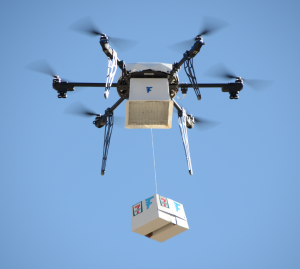
Drones can deliver packages much faster than traditional vehicles, especially in urban areas with heavy traffic or in regions with challenging terrain. This improved efficiency can lead to cost savings by enabling more deliveries in a shorter period. Faster delivery times also enhance customer satisfaction, potentially leading to increased sales and customer loyalty.
The ability of drones to navigate through traffic-free airspace allows for quicker delivery times. This is particularly advantageous in cities with congested roads, where traditional delivery methods can be significantly delayed. By bypassing traffic, drones ensure timely delivery, which is crucial for perishable goods and time-sensitive packages.
4. Reduced Infrastructure Costs
Implementing drone delivery can reduce the need for extensive infrastructure investments. Unlike traditional delivery systems that require warehouses, distribution centers, and a fleet of vehicles, drone delivery systems can operate with minimal infrastructure. This can lead to significant cost savings, particularly for businesses looking to scale their delivery operations without incurring substantial capital expenditures.
The reduction in infrastructure costs extends to the maintenance of vehicles and storage facilities. Drones require fewer resources for upkeep, and their ability to deliver directly to customers' locations reduces the need for intermediary storage points. This streamlined process can significantly cut down on overhead costs.
5. Enhanced Inventory Management
Drones can improve inventory management by providing real-time data on deliveries and stock levels. This enhanced visibility allows businesses to optimize their inventory, reducing the costs associated with overstocking or stockouts. Efficient inventory management can lead to significant cost savings and improved cash flow.
With drones providing immediate feedback on deliveries, businesses can maintain a more accurate and timely record of their inventory. This real-time data helps in making informed decisions regarding restocking and inventory levels, ensuring that resources are utilized efficiently.
6. Environmental Benefits
While not a direct economic benefit, the environmental advantages of drone delivery can translate into cost savings. Drones produce fewer emissions compared to traditional delivery vehicles, contributing to a greener and more sustainable operation. As environmental regulations become stricter, businesses adopting eco-friendly practices may benefit from tax incentives and reduced regulatory costs.
Additionally, the positive public perception of eco-friendly delivery methods can enhance a company's brand image and attract environmentally conscious customers. This, in turn, can lead to increased sales and customer loyalty.
Analyzing the Return on Investment (ROI)
1. Initial Investment and Operational Costs
The initial investment in drone delivery technology includes the cost of purchasing drones, setting up charging stations, and investing in necessary software and hardware for operations and maintenance. While these initial costs can be significant, they are often offset by the long-term savings in transportation and labor costs.
Businesses must also consider the costs associated with training personnel to operate and maintain the drones. However, as drone technology becomes more user-friendly and automated, these training costs are expected to decrease. The operational costs, including electricity for charging and occasional maintenance, are relatively low compared to the ongoing expenses of traditional delivery vehicles.
2. Potential Revenue Increase
Drone delivery can create new revenue streams for businesses by enabling faster and more reliable delivery options. For example, companies can offer premium same-day or even same-hour delivery services at a higher price point. Additionally, the ability to reach remote or underserved areas can expand a business's customer base, leading to increased sales and market share.
The competitive advantage of offering rapid delivery services can also attract new customers who prioritize speed and reliability. By meeting these demands, businesses can tap into new markets and increase their overall revenue.
3. Efficiency Gains and Cost Savings
The efficiency gains from faster delivery times and reduced labor and transportation costs contribute directly to a positive ROI. Businesses can perform more deliveries in less time, leading to higher productivity and profitability. Furthermore, the reduction in operational costs enhances the overall financial performance of the business.
These efficiency gains are particularly evident in businesses with high delivery volumes. The ability to complete more deliveries in a shorter timeframe reduces the cost per delivery, enhancing profit margins.
4. Enhanced Customer Satisfaction and Loyalty
Customer satisfaction is a critical factor in achieving a positive ROI. Drone delivery's speed and reliability can significantly enhance the customer experience. Satisfied customers are more likely to make repeat purchases and recommend the service to others, driving long-term revenue growth.
Happy customers are also less likely to return products, reducing the costs associated with handling returns. The positive customer experience provided by drone delivery can lead to increased customer retention and brand loyalty.
5. Long-Term Scalability
Drone delivery systems are highly scalable, allowing businesses to expand their operations without a proportional increase in costs. As the technology advances and becomes more affordable, the cost benefits and ROI will continue to improve. Businesses that adopt drone delivery early can gain a competitive advantage and position themselves for future growth.
The scalability of drone delivery systems means that businesses can start with a small fleet and gradually expand as demand increases. This flexibility allows for controlled investment and growth, minimizing financial risks.
6. Competitive Advantage
Early adopters of drone delivery technology can gain a significant competitive advantage in their industry. By offering faster and more efficient delivery services, businesses can differentiate themselves from competitors and attract a larger customer base. This competitive edge can translate into increased market share and higher profitability.
Being at the forefront of technological innovation can also enhance a company's reputation as a leader in the industry. This positive perception can attract partnerships and collaborations, further boosting business growth.
7. Compliance and Future-Proofing
Investing in drone delivery technology positions businesses to comply with future regulations and standards. As governments and regulatory bodies develop guidelines for drone operations, businesses that have already integrated drones into their delivery systems will be better prepared to meet these requirements. This proactive approach can prevent potential disruptions and ensure seamless operations.
Additionally, staying ahead of regulatory changes can prevent costly compliance issues and fines. Businesses that are well-versed in drone regulations can navigate the evolving landscape more effectively, ensuring long-term sustainability.
Conclusion
The Economics of Drone Delivery present a compelling case for businesses looking to optimize their logistics and delivery operations. The cost benefits of reduced transportation and labor expenses, coupled with improved efficiency and speed, contribute to a strong ROI. By investing in drone delivery technology, businesses can enhance their operational efficiency, reduce costs, and deliver a superior customer experience.
As drone technology continues to evolve, the potential for cost savings and ROI will only increase. Businesses that embrace this innovative delivery method can position themselves at the forefront of logistics and transportation, ensuring long-term success and profitability in an increasingly competitive market.
By understanding the Economics of Drone Delivery, businesses can make informed decisions about integrating this technology into their operations, ultimately driving growth and enhancing their competitive edge. The future of logistics lies in the skies, and drones are set to lead the way in this transformation.


