
5 Unexpected Industries Revolutionized by Drone Delivery: Innovations Beyond E-Commerce
July 26, 2024
The Future of Drone Delivery: What to Expect in the Next Decade
Introduction to the Future of Drone Delivery
The future of drone delivery promises to revolutionize the way we receive goods and services. As technology advances, drones are becoming more sophisticated, capable, and integrated into various sectors of the economy. The future of drone delivery is not just a distant dream but an impending reality that will reshape logistics, reduce delivery times, and increase efficiency. In this article, we will explore the potential advancements, challenges, and implications of drone delivery in the coming decade, providing a comprehensive look at how this technology will transform our lives.
Technological Advancements in Drone Delivery
One of the most exciting aspects of the future of drone delivery is the technological advancements making it possible. Drones are becoming more autonomous, with improvements in artificial intelligence, machine learning, and computer vision enabling them to navigate complex environments safely. Additionally, future drone delivery systems will likely see drones equipped with advanced sensors, better battery life, and enhanced payload capacities, allowing them to deliver a wider range of products more efficiently. Consequently, these advancements will make drones a more viable option for businesses and consumers alike.
Regulatory Frameworks Shaping Drone Delivery
The development of regulatory frameworks is crucial for the future of drone delivery. Governments around the world are working to create regulations that ensure the safe and efficient use of drones for delivery. Policies that address airspace management, privacy concerns, and safety standards will play a crucial role in enabling widespread adoption of drone delivery services while ensuring public safety and trust.
Integration with Smart Cities
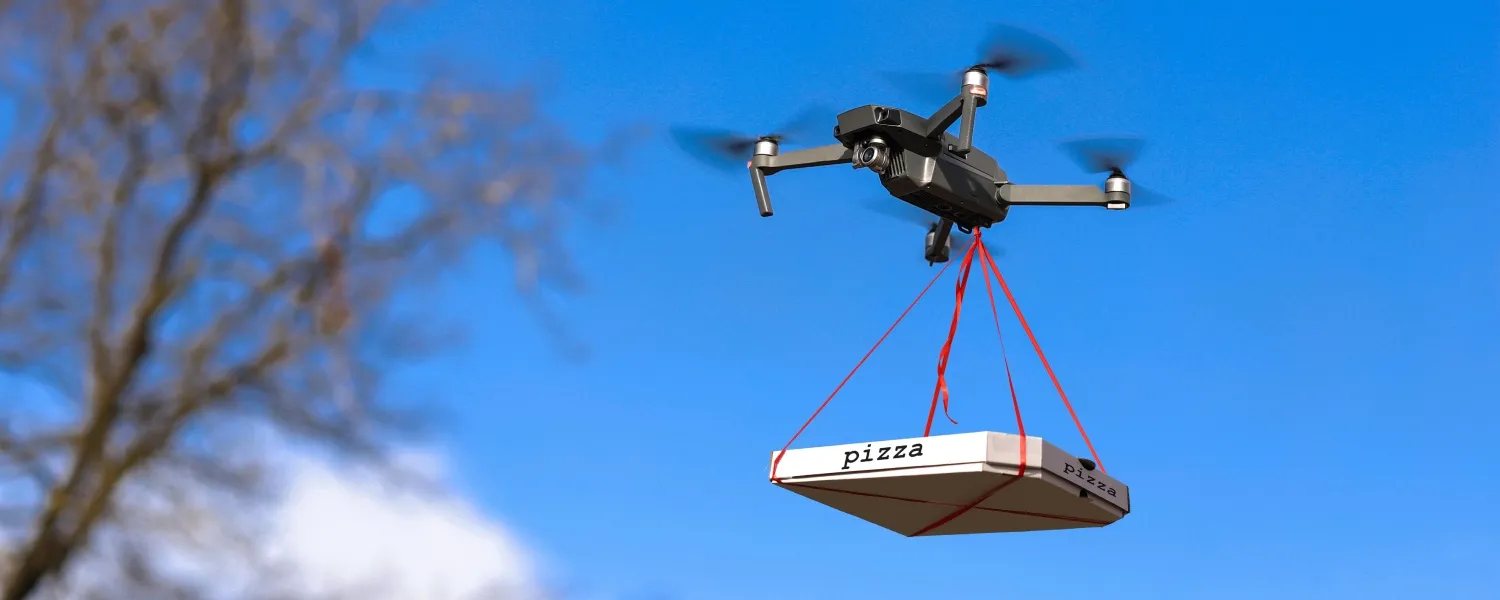
As urban areas become smarter, the future will be closely linked with the development of smart cities. Drones will be integrated into urban infrastructures, such as smart traffic management systems and designated drone corridors, to facilitate efficient and safe deliveries. This integration will enhance the urban logistics landscape, reducing traffic congestion and lowering carbon emissions by replacing traditional delivery vehicles with eco-friendly drones.
Impact on E-commerce and Retail
Drone delivery will have a profound impact on e-commerce and retail industries. Companies like Amazon and Walmart are already testing drone systems to provide faster and more reliable services to their customers. This innovation will allow these companies to offer same-day or even instant delivery options, drastically changing consumer expectations and shopping behaviors. This shift will push retailers to adopt drone technology to stay competitive and meet the demands of a fast-paced market.
Enhancing Healthcare with Drones
Healthcare is another sector that will significantly benefit. Drones can quickly transport medical supplies, blood samples, and even organs for transplants, especially in remote or hard-to-reach areas. This capability will improve emergency response times and ensure timely access to critical medical resources. In disaster-stricken areas or regions with poor infrastructure, drone delivery could potentially save countless lives.
Environmental Benefits of Drone Delivery
There are significant environmental benefits to consider. Drones produce fewer emissions compared to traditional delivery vehicles, contributing to reduced air pollution and lower carbon footprints. As the world moves towards more sustainable practices, drone delivery will align with global efforts to combat climate change. Electric-powered drones, in particular, will play a pivotal role in creating greener logistics solutions and promoting eco-friendly business practices.
Addressing Security and Privacy Concerns
With the rise of drone delivery, security and privacy concerns are inevitable. Technological solutions such as geofencing, encrypted communication, and secure data handling will be essential in protecting sensitive information and ensuring that drones do not invade personal privacy. Addressing these issues is crucial for gaining public acceptance and ensuring the successful implementation of drone delivery systems.
Economic Implications of Drone Delivery
There will be significant economic implications. It will create new job opportunities in drone manufacturing, maintenance, and operations, while also driving investments in related technologies. However, it may also disrupt traditional delivery jobs, necessitating workforce adaptation and reskilling. Careful economic planning will be required to maximize benefits while mitigating potential negative impacts on the labor market.
Conclusion and Outlook
In conclusion, drone delivery is set to transform various aspects of our lives, from the way we shop to how we access healthcare. As technology continues to evolve and regulatory frameworks adapt, the potential for drones to enhance efficiency, reduce environmental impact, and improve service delivery will become increasingly evident. The successful integration of drone delivery into our daily lives will depend on ongoing innovation, thoughtful regulation, and public acceptance. Embracing this future will open up new possibilities and redefine our expectations for delivery services.
The future of drone delivery is undoubtedly on the horizon, promising to bring about a new era of efficiency, convenience, and sustainability.


